
 Image 1 of 15
 Image 2 of 15
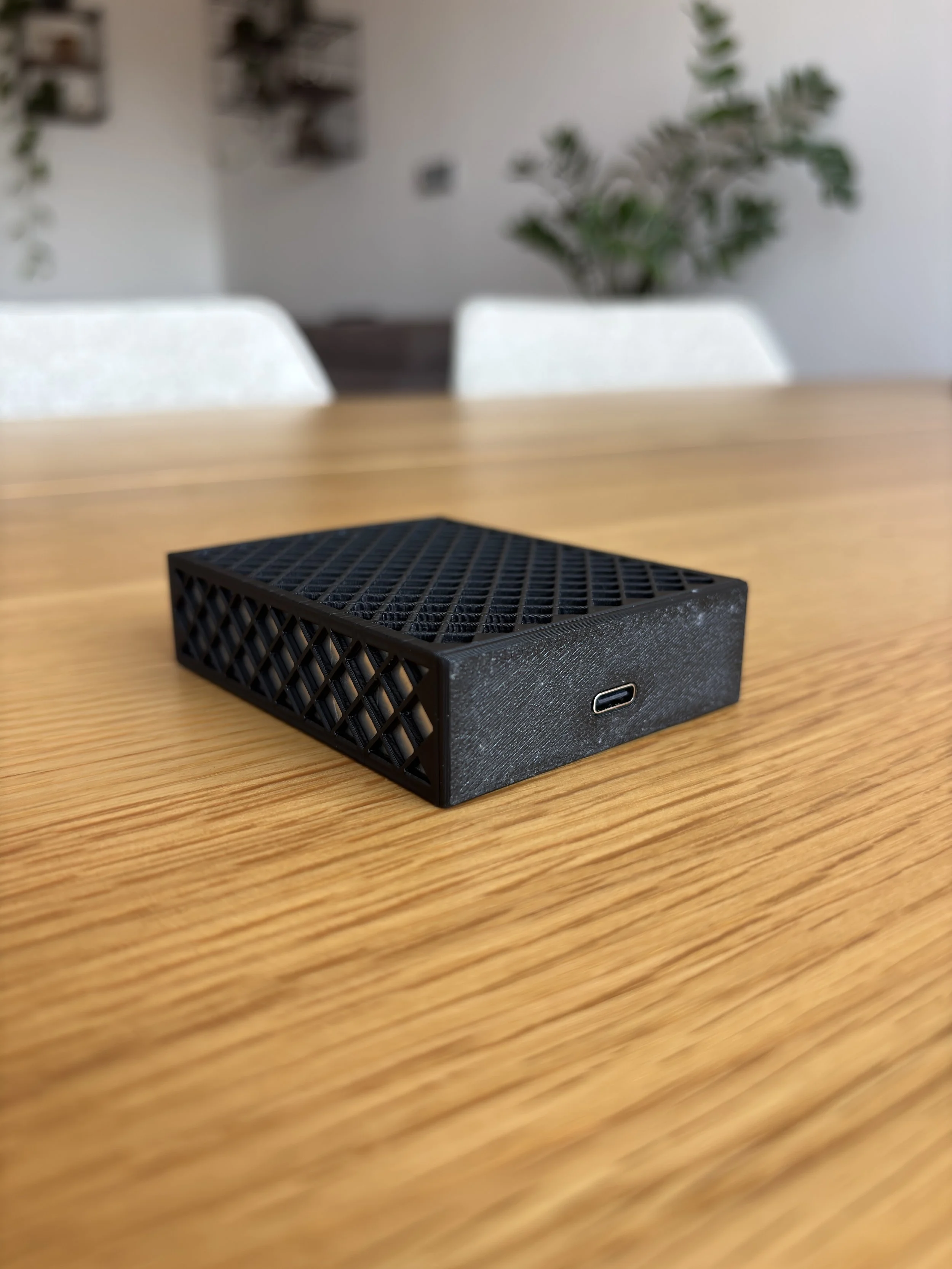 Image 3 of 15
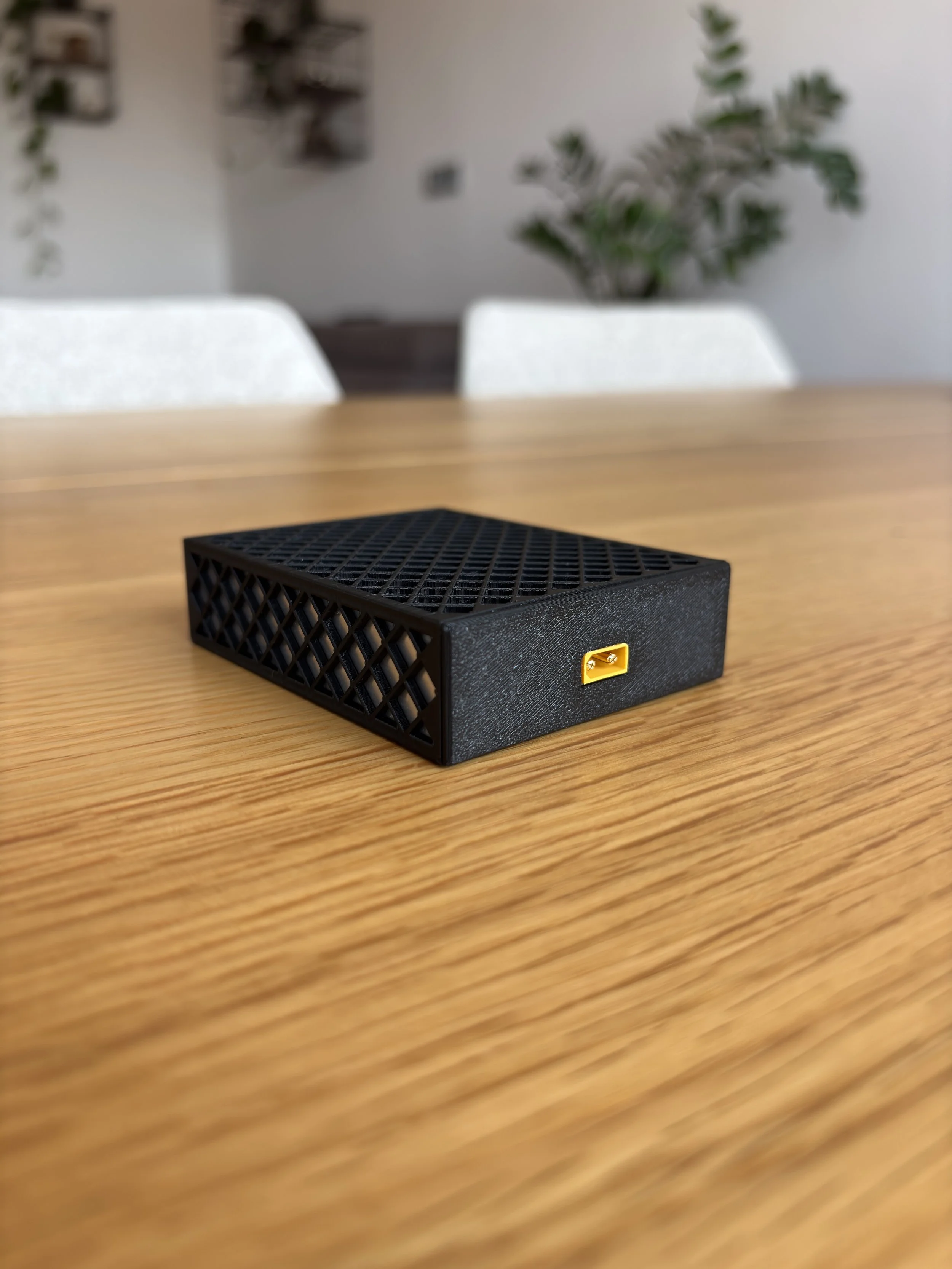 Image 4 of 15
 Image 5 of 15
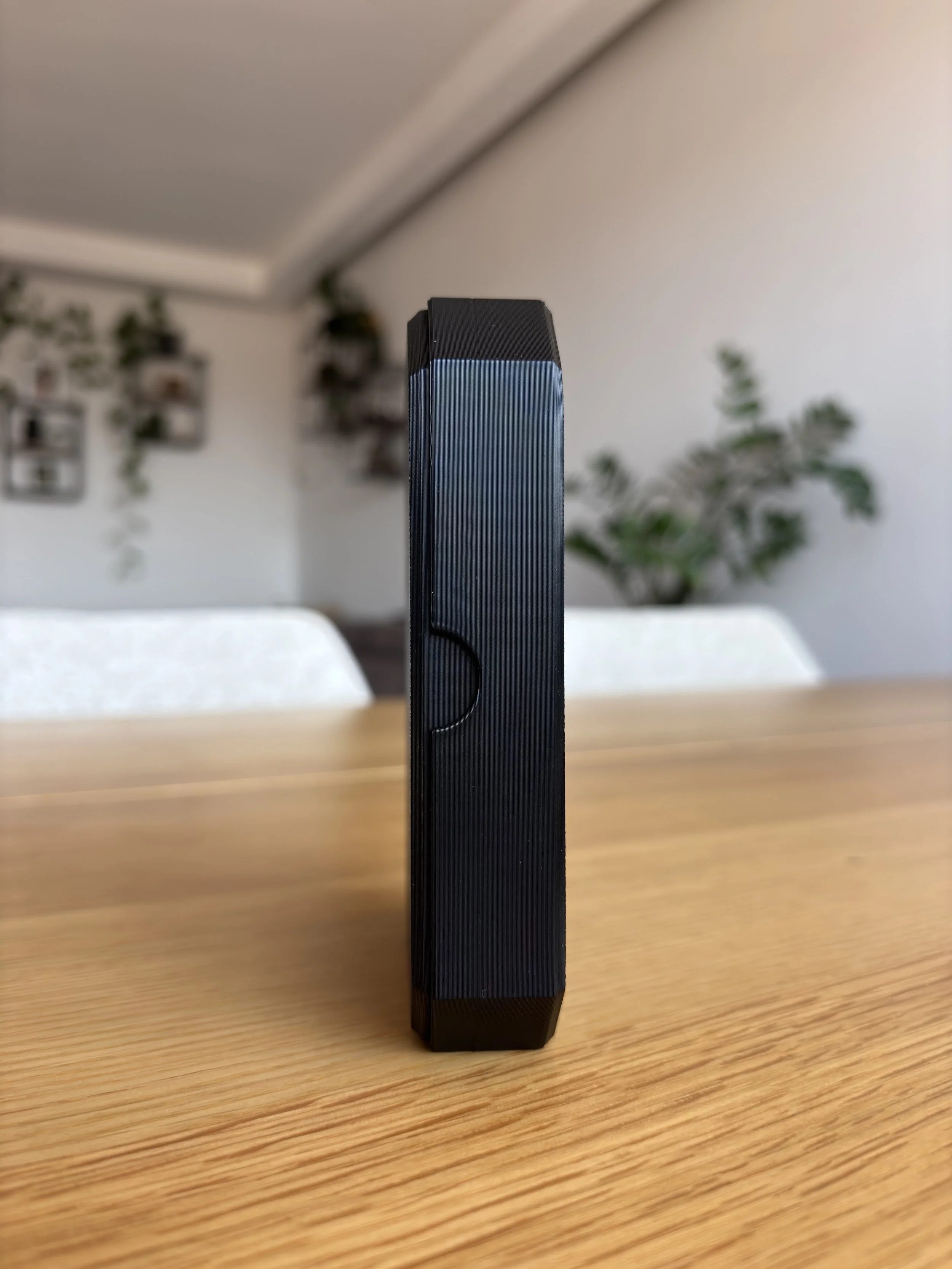 Image 6 of 15
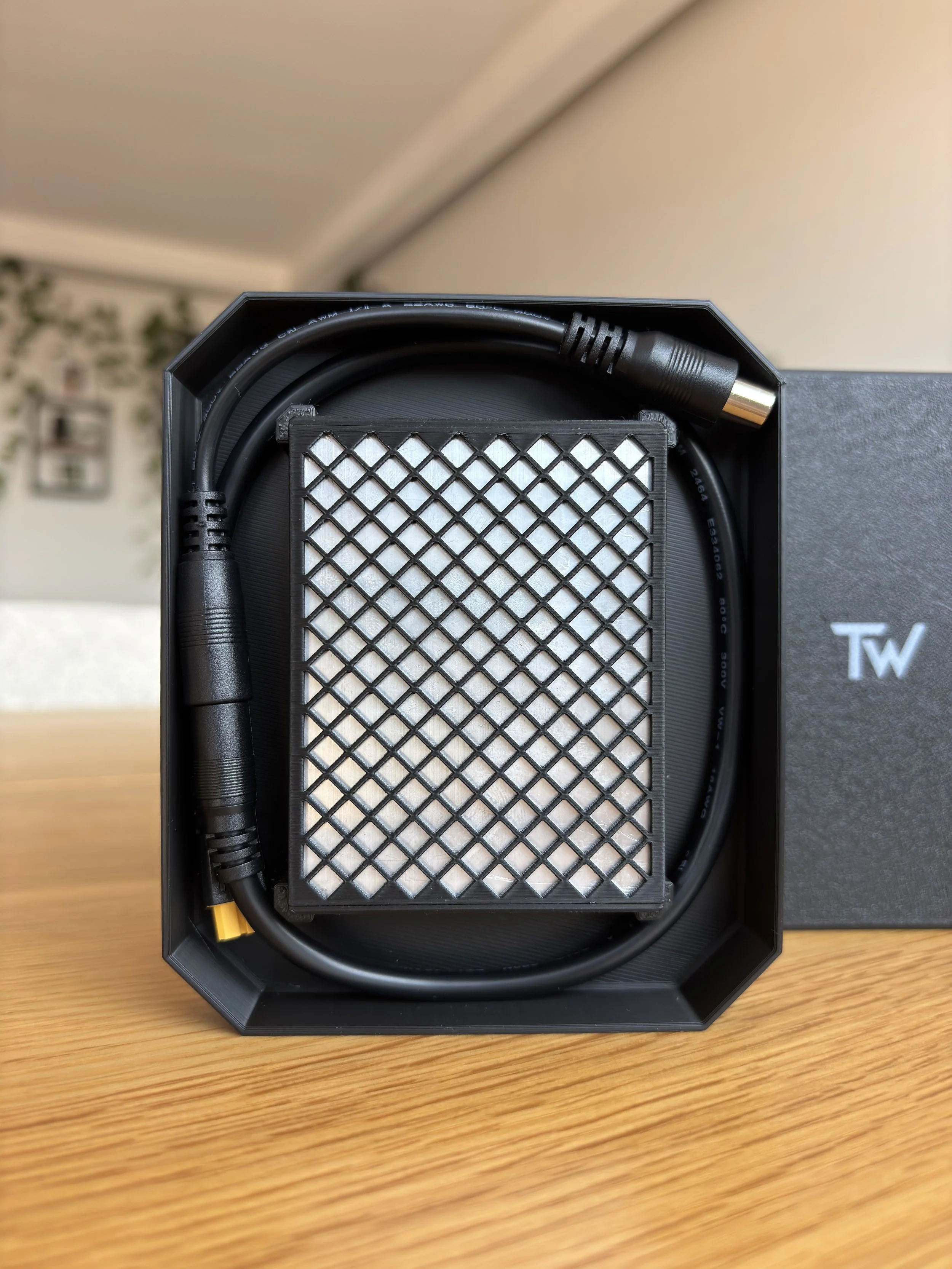 Image 7 of 15
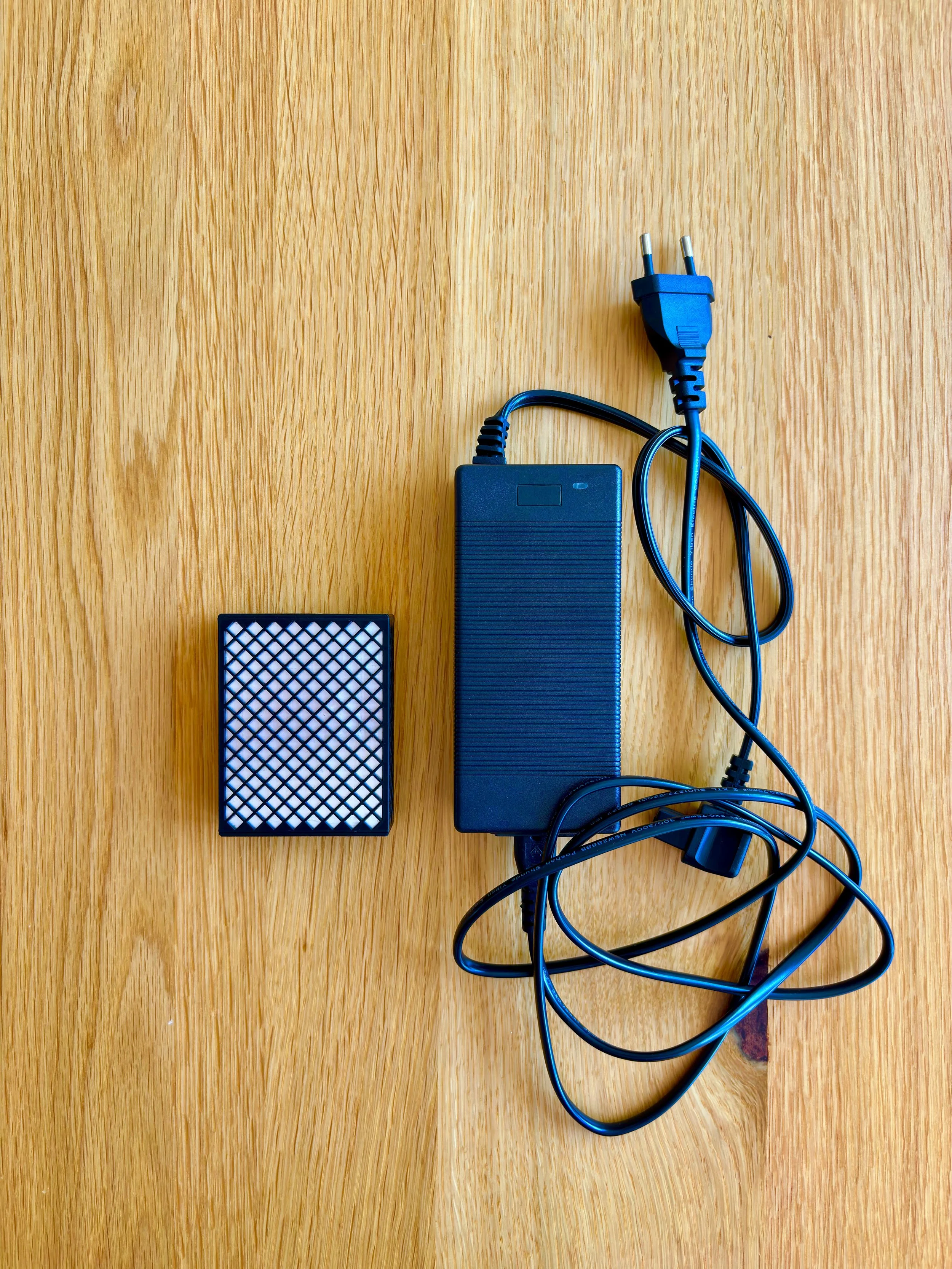 Image 8 of 15
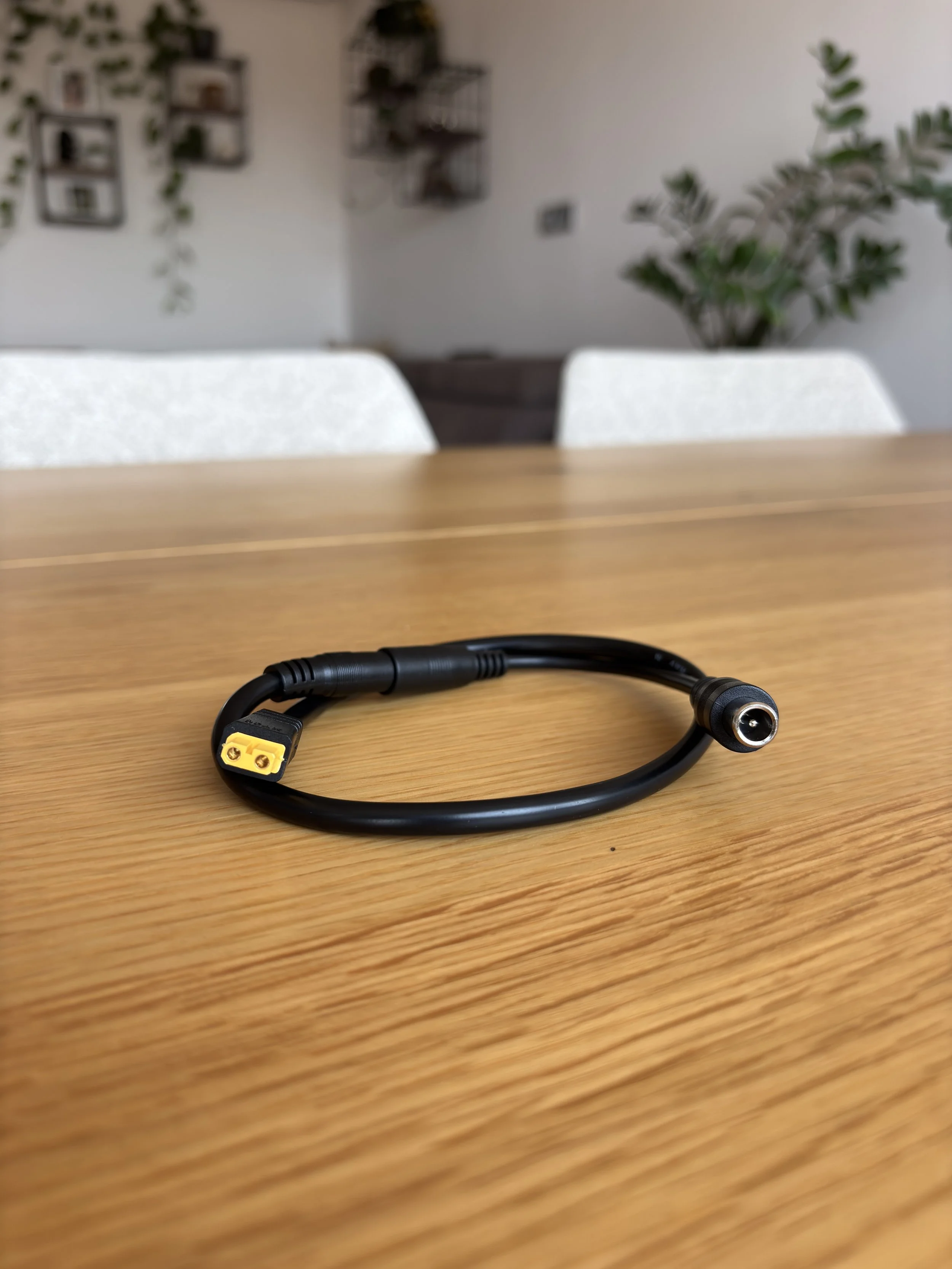 Image 9 of 15
 Image 10 of 15
 Image 11 of 15
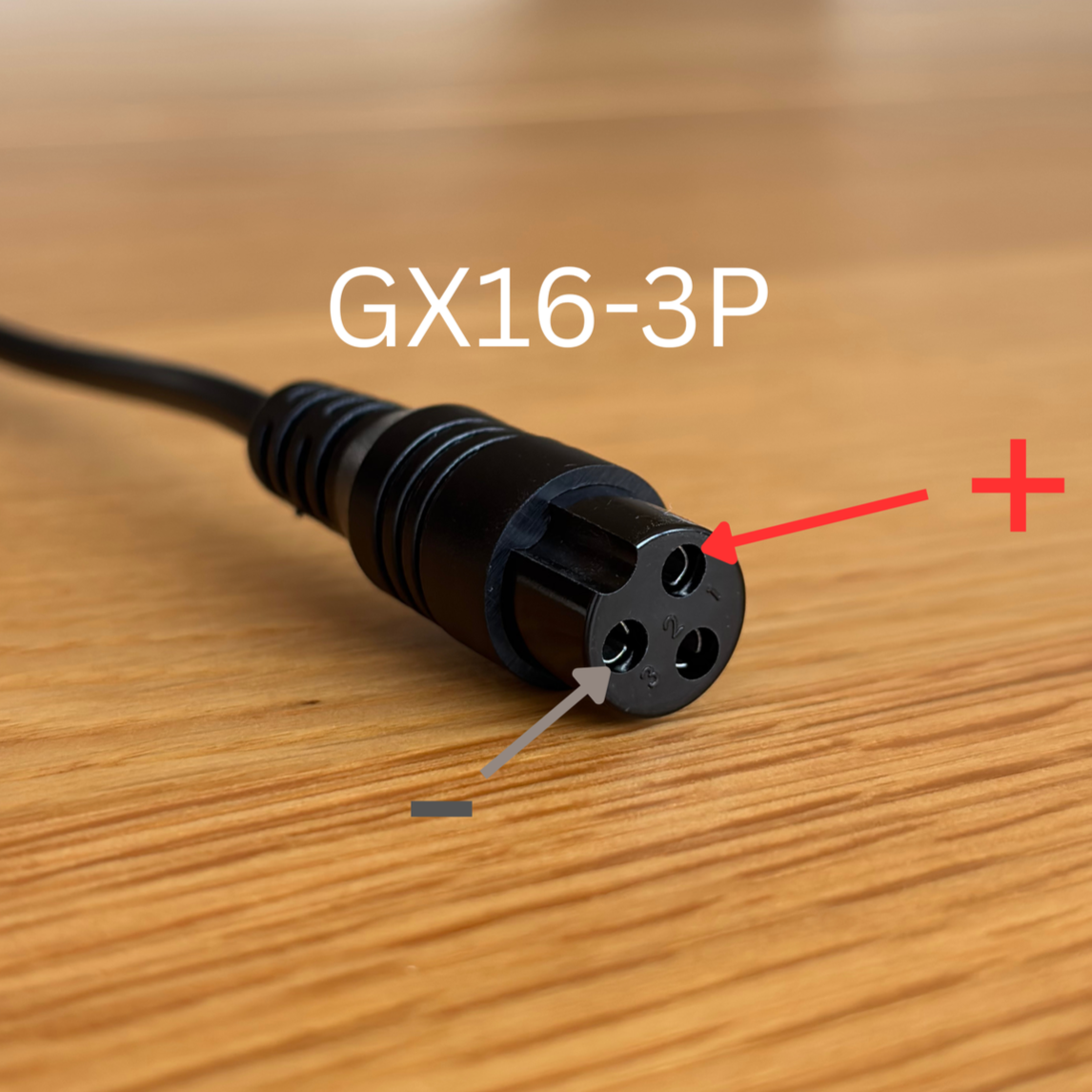 Image 12 of 15
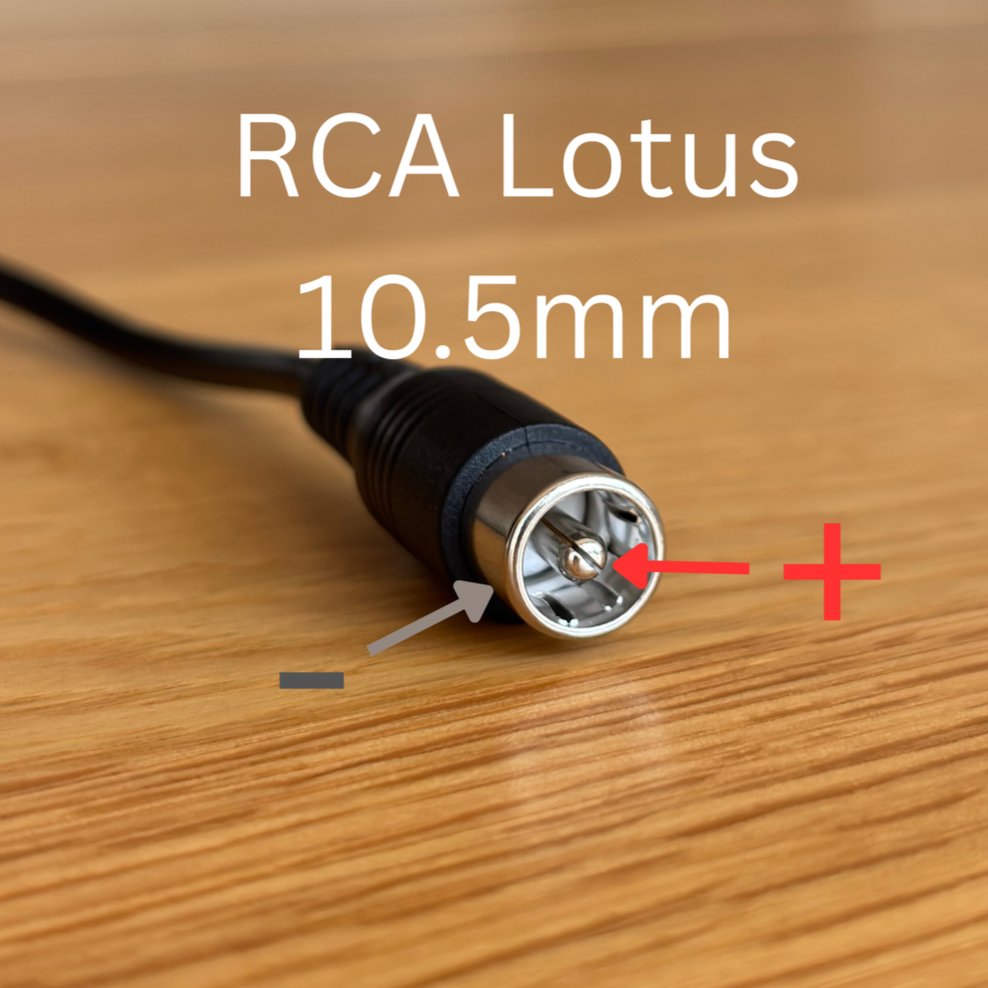 Image 13 of 15
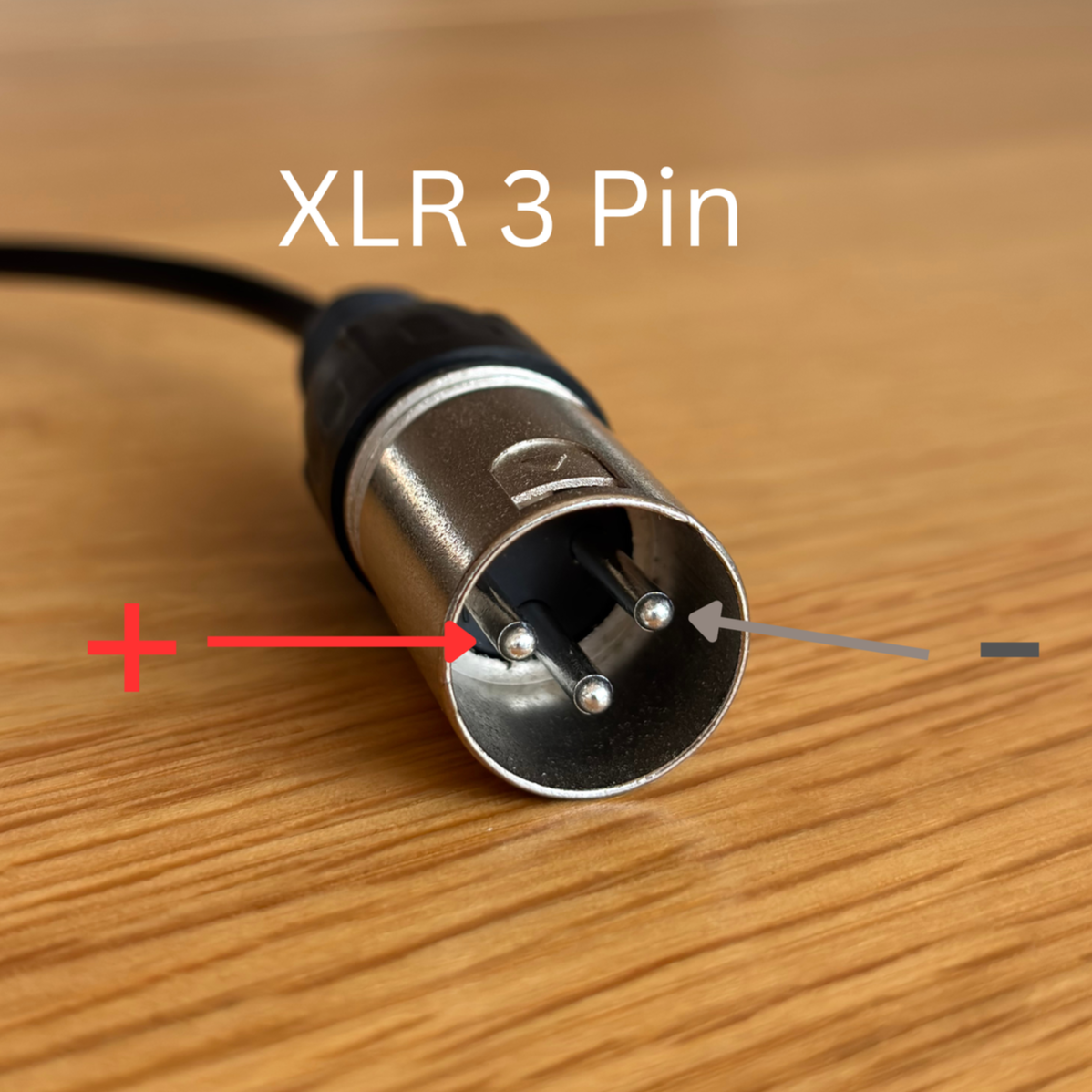 Image 14 of 15
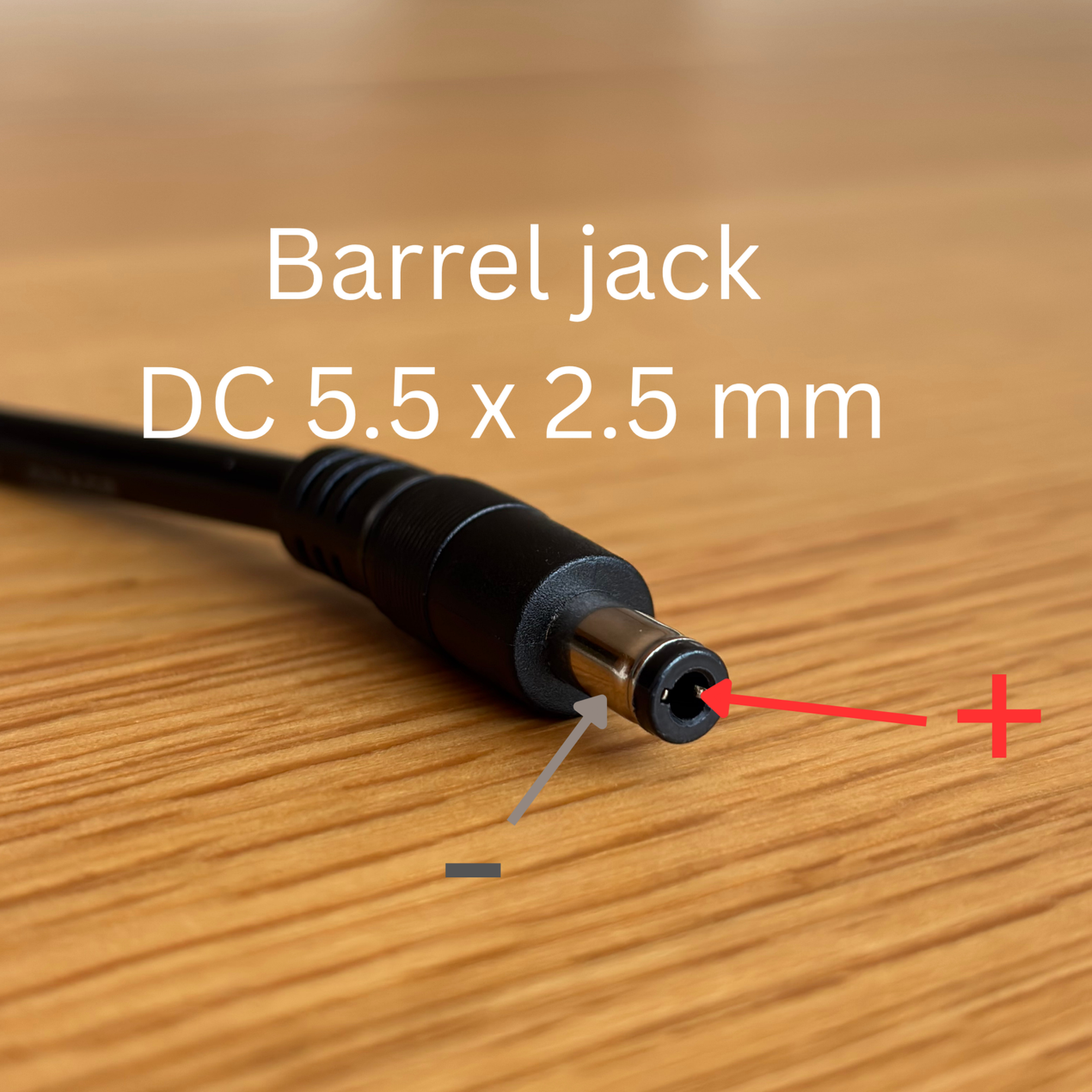 Image 15 of 15
Customer Review’s
-
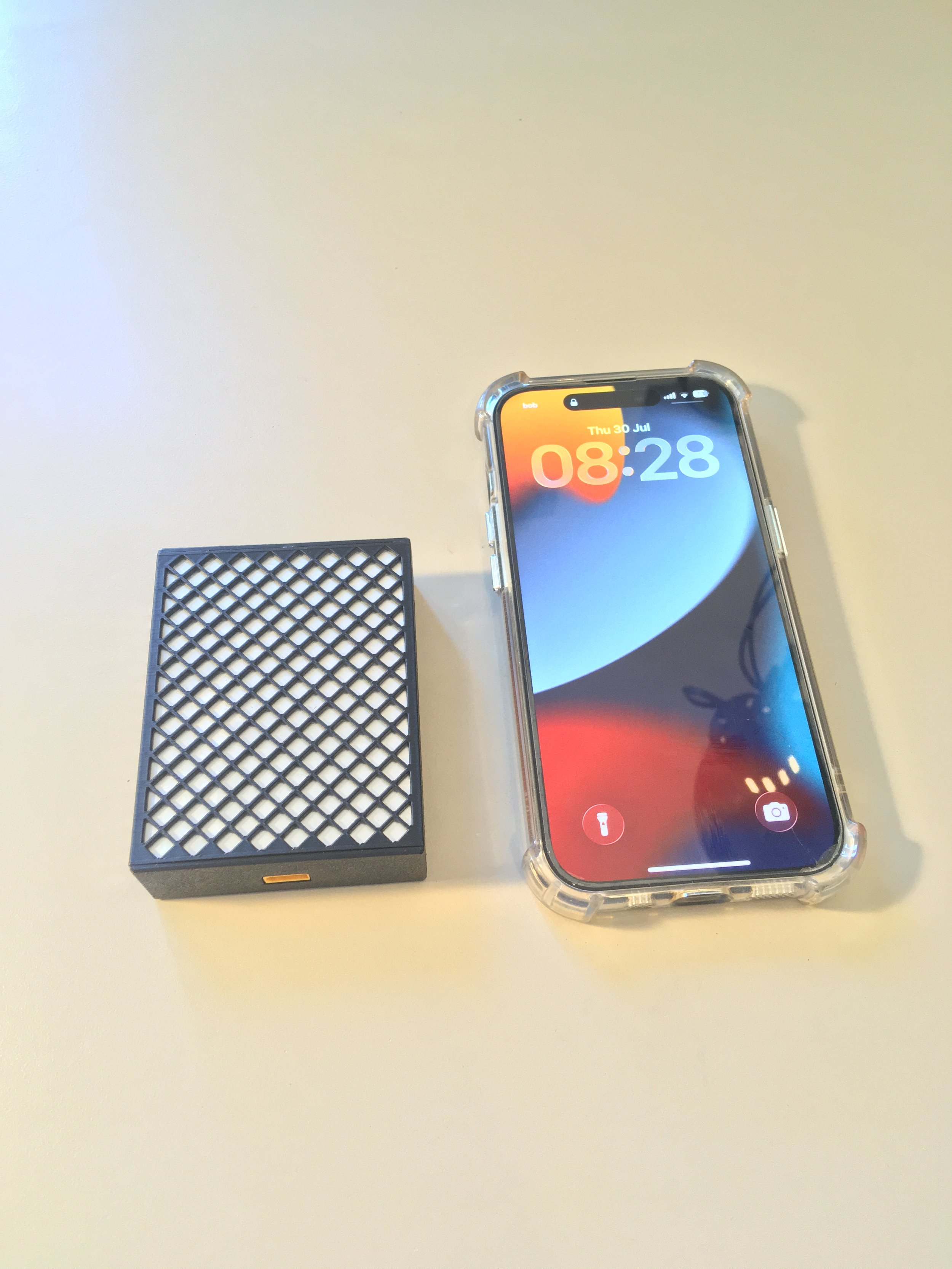
![A TravelWatt user comparing the size of TravelWatt with his iPhone.]()
"It's so small it fits in my bag with my wallet and phone"
Steven, Texas US
-
![TravelWatt user showing the power indication on the USB-C cable]()
"I really like the USB cable you can buy with it since it has a charging power indicator."
James, New York US
-
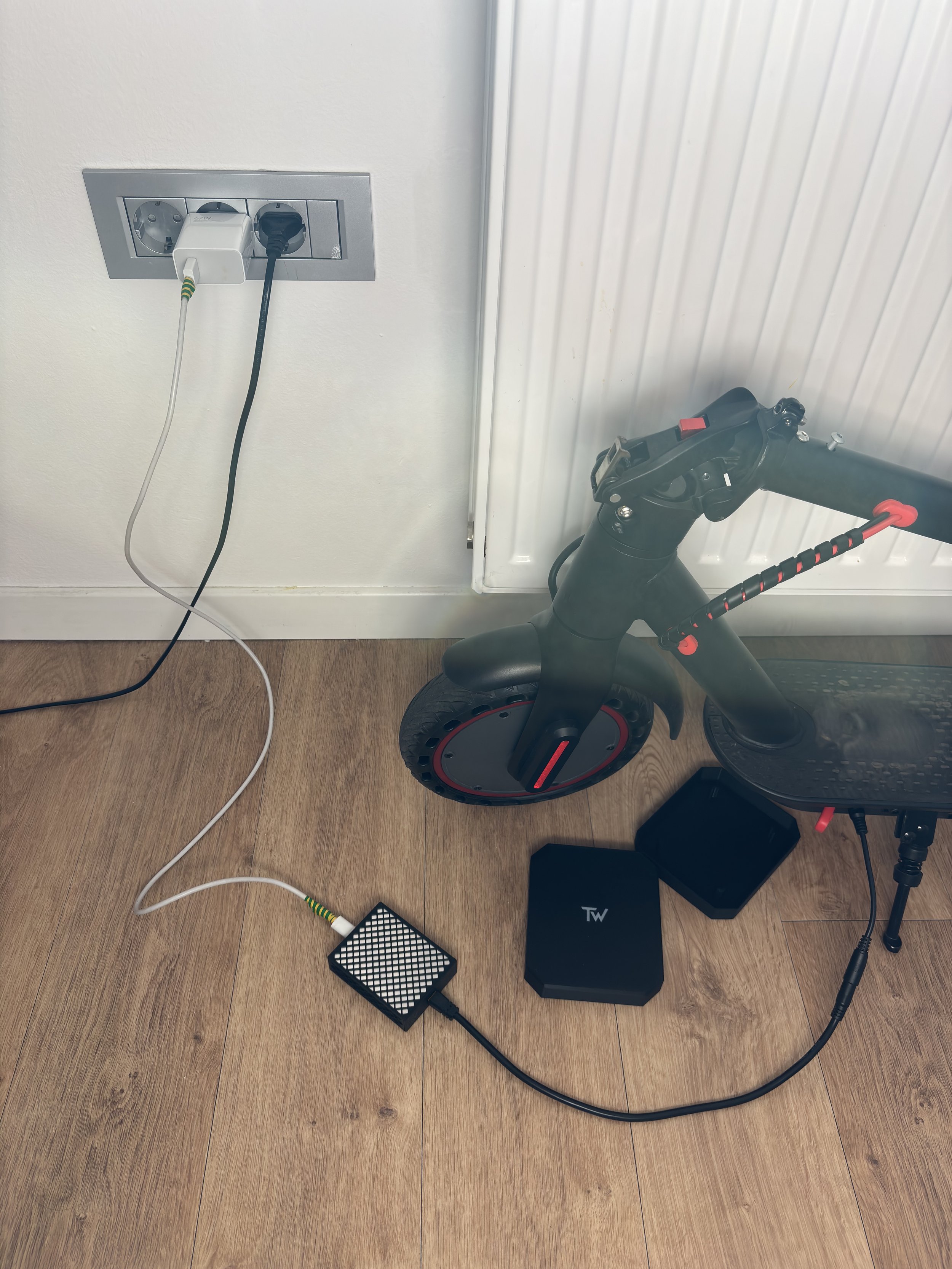
![A user charging his eScooter with a phone fast charger using TravelWatt]()
"I can finally charge everything with my USB-C mobile phone charger! My phone, my laptop, my tablet and now my scooter! I love it.
Samo, Slovenia
-
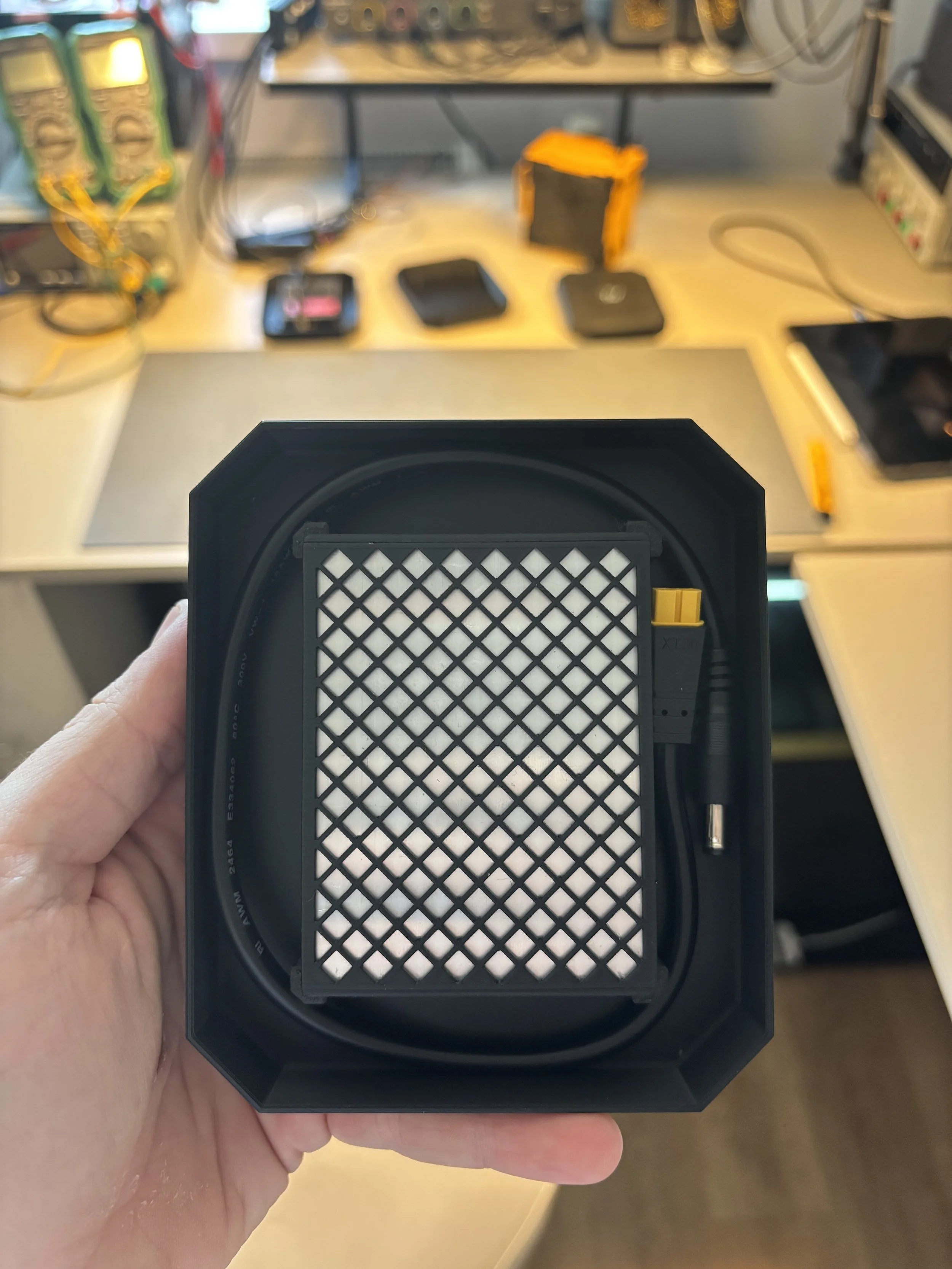
![A customer holding TravelWatt charger case with its contents.]()
"I just got it over the mail and I am really impressed with the design and the quality"
Ron, Houston US
-
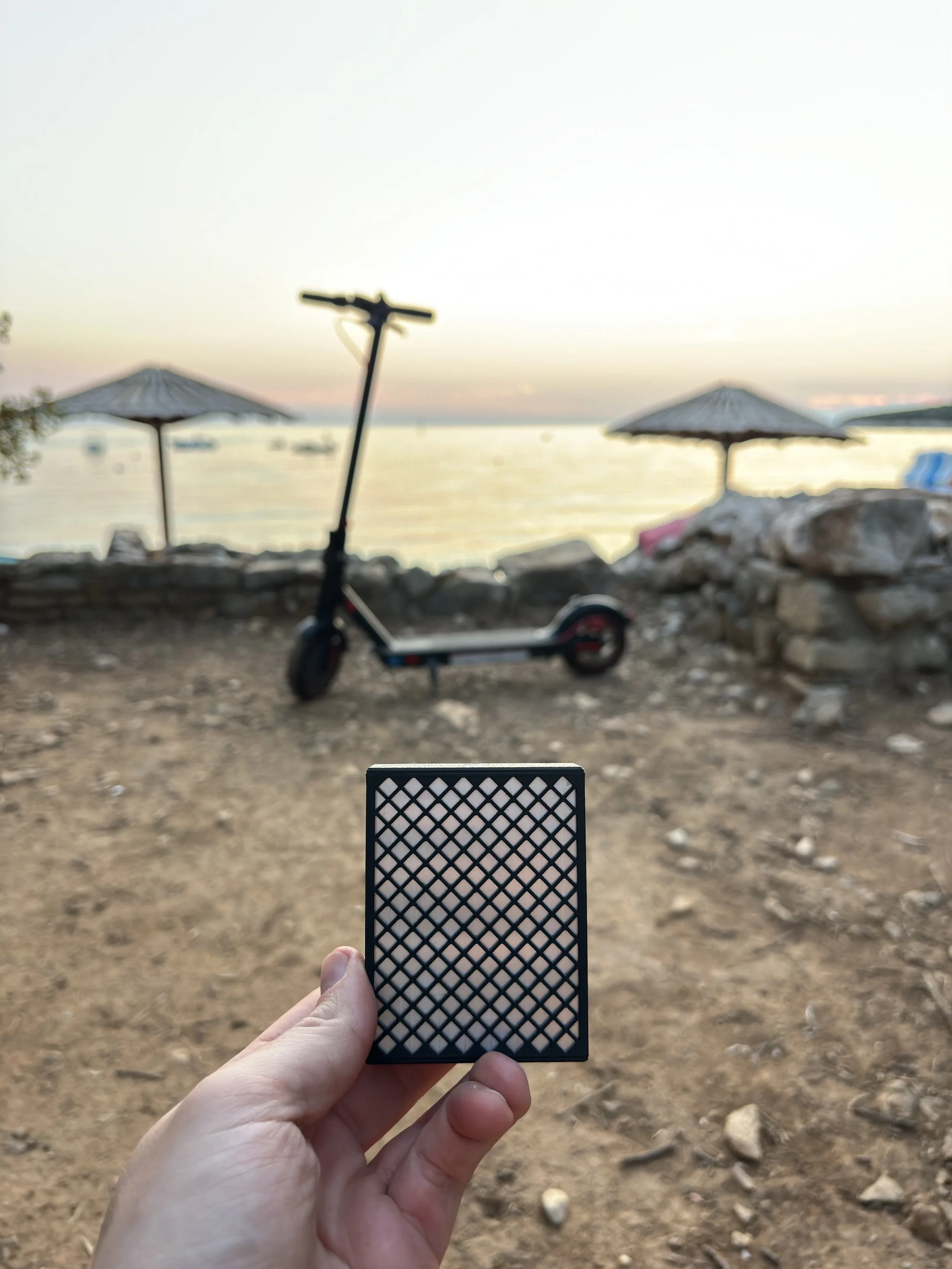
![TravelWatt user on a camping trip.]()
"I took it with me on my seaside camping trip and it worked great."
Ling, Florida US

QUESTIONS?
-
TravelWatt converts power from a compatible USB-C Power Delivery charger into the correct charging voltage for your vehicle’s battery. It charges the battery using a controlled constant-current/constant-voltage charging profile, reducing the current as the battery approaches full charge.
Simply connect a suitable USB-C charger to TravelWatt and connect TravelWatt to your battery’s charging port.
-
TravelWatt works with compatible USB-C Power Delivery (USB-C PD) adapters. For the best performance, we recommend a reputable 65–100 W USB-C PD adapter.
-
Yes. TravelWatt will request only the power it can use and will not charge above its own rated power.
A 140 W, 180 W or 240 W adapter will therefore not necessarily charge the battery faster than a suitable 100 W adapter.
-
Maximum charging power: 100 W
Input: USB-C Power Delivery up to 100W
Output: regulated CC/CV battery charging
Dimensions: 60 × 80 × 18 mm (2.36 × 3.15 × 0.71 in)
Weight: 117 g (4.13 oz)
Output voltage: determined by the selected battery version
Batteries: Lithium-ion
Overtemperature protection
Battery overcharge protection
Battery reverse polarity protection
-
Check the label on your original battery charger and find its OUTPUT voltage. Select the TravelWatt model with exactly the same charging voltage.
The connector must also match its:
physical type and size
gender
pinout
Using the wrong voltage, polarity or connector configuration could damage the battery or vehicle.
If you are not sure, contact us with the form below and we will help you find the correct model.
-
Reach out to us with the form and the bottom of this site and we will help you identify the correct TravelWatt voltage and connector quickly.
-
A durable and hard carry case
TravelWatt charger configured for the selected battery voltage
Battery adapter cable with your selected battery connector
-
Yes, provided it supports USB-C Power Delivery. Many modern laptop chargers are suitable.
A lower-power phone charger will charge slowly. For the best results, use a reputable 65–100 W USB-C PD charger.
-
If you have the cable that is originally supplied along with your USB-C charger, then use that cable.
If you are buying a new USB-C cable, then make sure that the cable is rated for 5A and at least 100W.
A lower-rated cable may limit the available charging power. The cable must support USB-C Power Delivery and should come from a reputable manufacturer.
-
Charging time depends on:
battery capacity
current state of charge
USB-C adapter power
A useful estimate is:
Charging time ≈ energy to replenish ÷ effective charging power
For example, replenishing 400 Wh at an effective 100 W would take approximately 4 hours.
-
TravelWatt will be limited by the power available from the USB-C charger, so the battery will charge slower.
For example, a 65 W USB-C charger will charge slower than a 100 W USB-C charger.
-
Yes. TravelWatt draws its power according to the USB-C Power Delivery 3.1 Standard which is accepted world-wide.
You can connect TravelWatt to any USB-C charger world-wide and charge without any modifications.
-
Yes, if the source provides USB-C Power Delivery and sufficient continuous power.
The total charging power will be limited to the maximum power capability of you USB-C source (power bank, car outlet, portable power station) for safe charging.
-
Yes. Some warmth is normal because a small amount of energy is converted into heat during operation.
Use TravelWatt on a hard, dry and well-ventilated surface. Do not cover it, place it inside a closed bag, or expose it to direct sunlight while charging. Disconnect it if it becomes unusually hot, produces an unusual smell or shows signs of damage.
-
We do not recommend leaving any lithium-ion battery charging unattended.
TravelWatt should be used with a healthy battery containing a correctly functioning battery-management system. Charge on a dry, non-flammable surface, away from combustible materials, and follow the battery or vehicle manufacturer’s charging instructions. Disconnect the equipment if the battery, connector or charger behaves abnormally.